
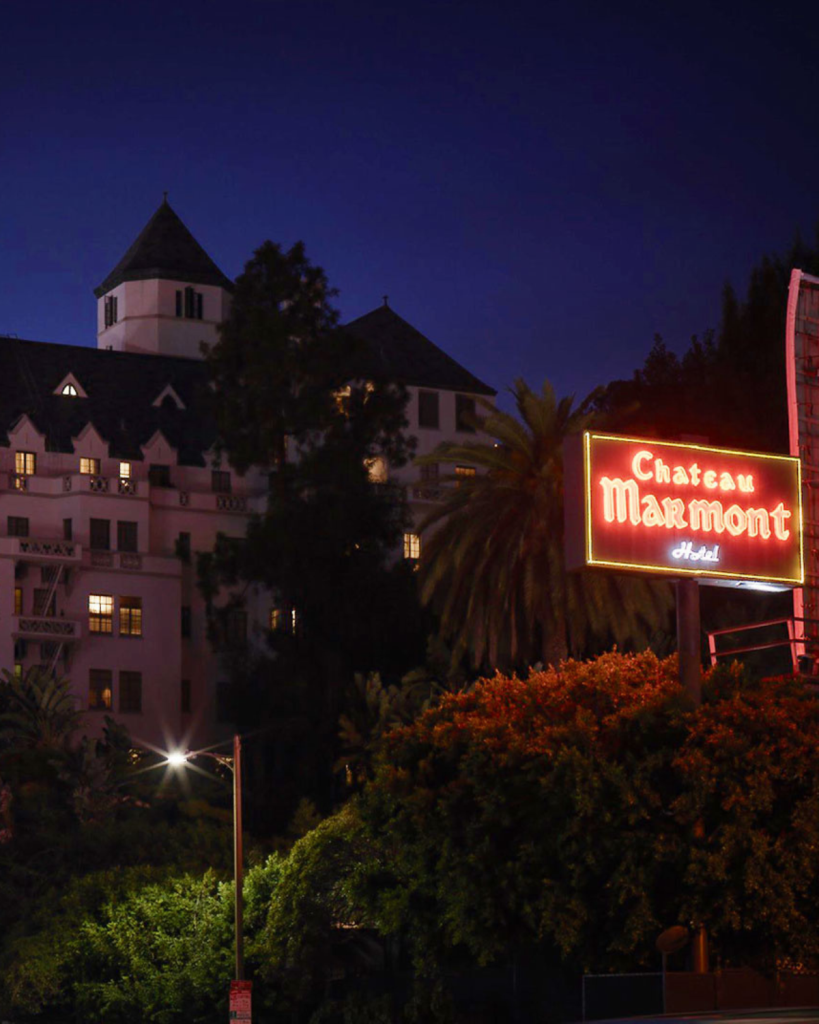
Opened in 1929 on Hollywood’s Sunset Boulevard, the Chateau Marmont has become one of Los Angeles’ darkest landmarks. Designed to resemble a French château, the hotel has spent nearly a century serving as a private retreat for some of the biggest names in entertainment, from actors and musicians to artists and filmmakers. Its secluded atmosphere and reputation for discretion have made it a place where Hollywood’s elite can escape the public eye.
But behind its old-world architecture and luxurious reputation lies a much darker history. Over the decades, the Chateau Marmont has become just as famous for the secrets and scandals surrounding its guests as it has for its exclusivity.
The hotel’s reputation for discretion, strict privacy, and tight-lipped staff helped cultivate an environment where wild parties, clandestine affairs, and darker incidents could unfold away from the public eye.

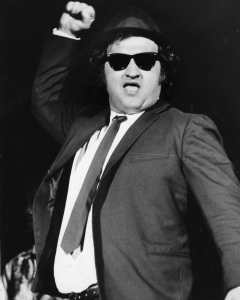
John Belushi’s Fatal Overdose (1982)
On March 5, 1982, Saturday Night Live comedian John Belushi was found dead at age 33 in Bungalow 3 after overdosing on cocaine and heroin. His death became one of the most infamous incidents in the hotel’s history, cementing its reputation for Hollywood excess.
Helmut Newton’s Fatal Car Crash (2004)
On January 23, 2004, legendary fashion photographer Helmut Newton lost control of his Cadillac while exiting the hotel’s parking lot. He crashed into a wall across the street and later died from his injuries at age 83.
Jim Morrison’s Balcony Fall (Late 1960s)
The Doors frontman Jim Morrison reportedly fell from a Chateau Marmont balcony and survived. He later described the incident as using up the eighth of his nine lives.
Sharon Tate’s Connection to the Hotel (1968–1969)
Actress Sharon Tate and filmmaker Roman Polanski lived at Chateau Marmont in 1968, before moving to their Benedict Canyon residence. In August 1969, Tate was murdered by members of the Manson Family at that residence.
Among the many unusual details surrounding Hollywood’s Chateau Marmont is its mascot, Pan, a figure from ancient Greek mythology associated with the wilderness, shepherds, music, and untamed desire. Often depicted as half-human and half-goat, with horns and hooves, Pan has a striking resemblance to traditional portrayals of the devil. However, the deity was never originally a symbol of evil. Instead, he represented nature, freedom, lust, and the unpredictable side of human behavior.
By Grant Roundtree